You're Not Tipping a Friend — You're Buying a Feeling

Photo by Photo by CardMapr.nl on Unsplash on Unsplash
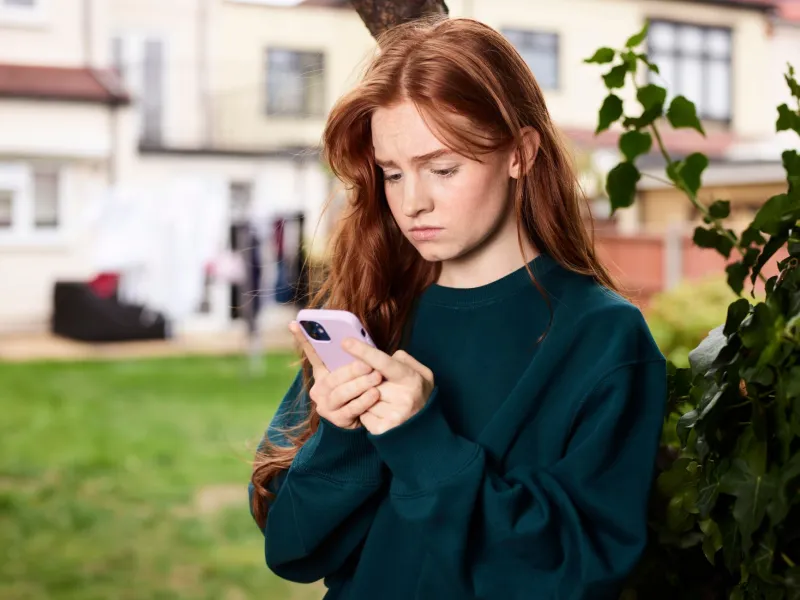
Let me paint you a picture. It's a Tuesday night. You've had a long day, you're scrolling through your phone, and you see a notification: your favorite creator just dropped an exclusive voice memo for paying subscribers only. It's fifteen minutes of them talking about their morning, their anxieties, the coffee they burned. You've been subscribed at the $10 tier for six months. You press play immediately.
And here's the thing — it feels good. It feels warm and intimate and like you actually know this person. Like they made that voice memo just for you.
They didn't. But that's kind of the whole point.
The New Economy of Manufactured Closeness
The creator economy didn't just build a marketplace for content. It built a marketplace for relationships — or at least, convincing facsimiles of them. Platforms like Patreon, Substack, OnlyFans (yes, even for the non-explicit accounts), Discord, and even Twitch subscriptions have quietly constructed an entire financial ecosystem around one very specific emotional transaction: you pay money, you feel closer to someone.
And it's working. Patreon alone reportedly supports over 250,000 creators generating income from their communities. The top earners are pulling in six and seven figures annually — not from brand deals or ad revenue, but from regular people chipping in $5, $10, $25 a month for "exclusive access."
The product isn't the content. The product is the proximity.
Why Our Brains Can't Tell the Difference
Here's where it gets genuinely interesting. Human brains are, neurologically speaking, not great at distinguishing between real relationships and parasocial ones. When we consume someone's content consistently — their voice, their face, their opinions, their bad days — our brains process that repeated exposure similarly to how they process actual friendships. We release oxytocin. We feel affection. We feel known, even when we're the only one doing the knowing.
Paid tiers take that existing attachment and add a transaction that mimics the reciprocity of real relationships. Real friendships involve give and take, right? You support each other. You show up. When you pay $15 a month to a creator, your brain registers that as you showing up for them. The financial act becomes an emotional one.
It's not manipulation, exactly. But it's not not manipulation, either.
What Creators Are Actually Selling
Spend five minutes on any creator's Patreon page and you'll notice the language is doing a lot of heavy lifting. Tiers are named things like "Inner Circle" and "Best Friend" and "Ride or Die." Perks include "personal" Discord channels, "candid" Q&As, and "unfiltered" behind-the-scenes content. The entire architecture is designed to simulate intimacy at scale.
And to be fair to creators — they're not always being cynical about it. Many of them genuinely feel a connection to their community. Many of them do put real emotional labor into those Discord servers and voice memos and monthly Zoom calls with supporters. The relationship isn't entirely fake.
But it is asymmetrical in a way that rarely gets acknowledged. The creator knows they have 3,000 paying subscribers. You feel like you have one creator who knows you. That gap matters. It matters a lot.
The Guilt Trip Built Into the Model
One of the most underexamined aspects of the parasocial paywall is the emotional pressure it creates. When a creator you love says something like, "My Patreon supporters are literally the reason I can keep doing this," they're not lying. But they're also pulling a very specific lever in your brain.
Suddenly, not subscribing feels like abandonment. Like you're letting a friend down. Like you're choosing Netflix over showing up for someone who shows up for you. The line between genuine community support and sophisticated emotional marketing gets blurry fast.
I've talked to people who felt guilty for canceling a Patreon subscription. Guilty. For ending a paid service. That's a remarkable psychological achievement — and a slightly unsettling one.
What Do Creators Actually Owe Their Paying Subscribers?
This question doesn't get asked enough, and when it does, the answers are all over the place.
Some creators treat their paid communities like a sacred contract — they're responsive, consistent, transparent about what supporters are funding. Others treat Patreon like a tip jar with a velvet rope, offering just enough "exclusive" content to justify the charge without any real accountability for delivery.
The honest answer is that creators owe their paying subscribers something close to what they promised. If you marketed your $20 tier as a monthly one-on-one check-in and you've done two in eight months, that's a problem. Not just ethically — practically. Subscribers who feel misled cancel. And they talk.
But beyond the transactional stuff, I think creators owe their communities clarity. Be honest that this is a business. Be honest that you can't actually be friends with 5,000 people. Be honest that the "exclusive" Discord is moderated by volunteers and you pop in maybe twice a week. The illusion of intimacy is only charming until someone wakes up from it feeling played.
The Part We Don't Want to Admit About Ourselves
Okay, let's get uncomfortable for a second.
We participate in this because we want to. Nobody is forcing anyone to pay $12 a month for a newsletter that comes with a "members-only" thread. We do it because the alternative — acknowledging that our relationship with this creator is entirely one-directional — feels lonely.
And loneliness is the real product being sold here. Not content. Not access. The antidote to the specific modern loneliness of consuming media in isolation, of watching someone's life unfold on a screen and having nowhere to put the feelings that generates.
Paid memberships give those feelings somewhere to go. They give us a role to play in a story we're otherwise just watching. That's genuinely valuable. It's also genuinely worth examining.
So Should You Cancel?
Not necessarily. There are creators whose paid communities are legitimately meaningful — real conversation, real connection, real artistic support. Paying for a writer's Substack because you believe in independent journalism is different from paying $25 a month because a YouTuber called you "fam" once.
The move isn't to opt out. The move is to opt in clearly. Know what you're buying. Know that the warmth you feel is real, but the friendship is not. Know that you can appreciate someone's work, support their livelihood, and participate in their community — all without confusing a subscription for a relationship.
You're not tipping a friend. You're paying for a service that makes you feel something. And honestly? Sometimes that's worth every penny. Just know what you're actually spending.