The More You Scroll, The More You Disappear
You Opened the App to Feel Better. So Why Do You Feel Worse?
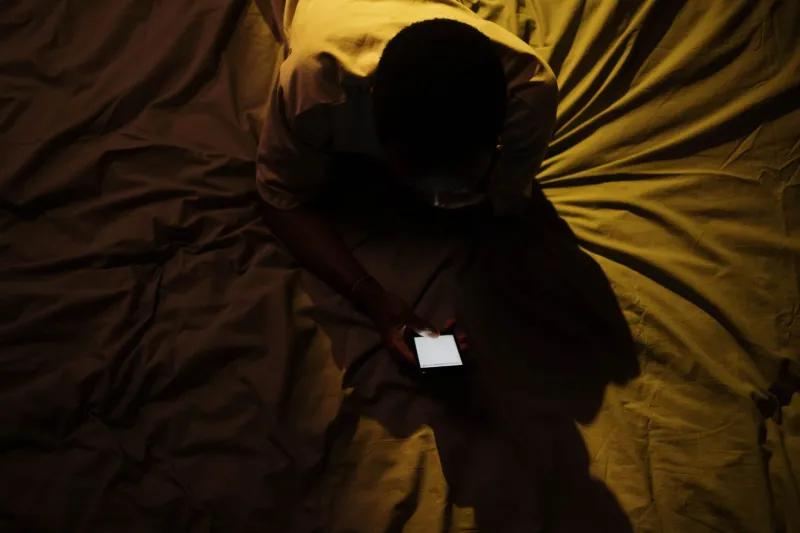
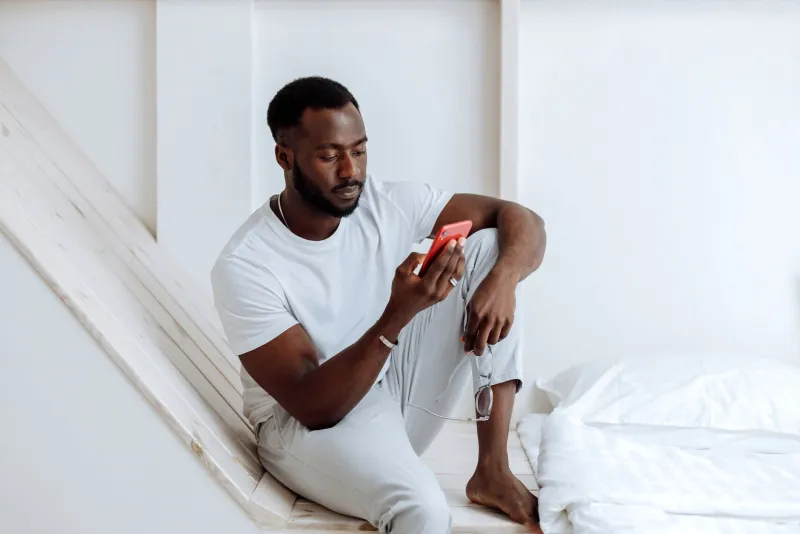
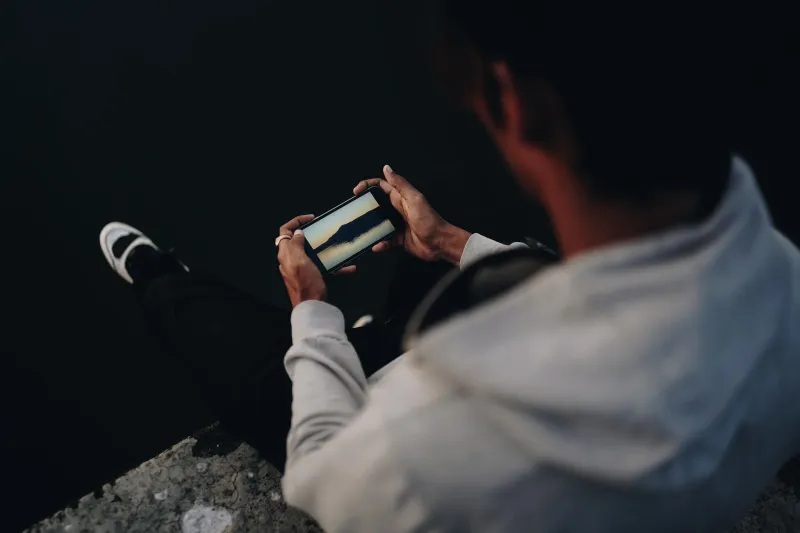
It's a Tuesday night. You're sitting on your couch, kind of bored, kind of lonely, and you do the thing every single one of us does — you open your phone. You scroll Instagram, hop to TikTok, maybe fire off a few texts in a group chat that dies after two responses. And then you put the phone down.
And somehow, you feel emptier than before.
This isn't a personal failing. It's not because you're broken or bad at being social. It's because the platforms you're using were never actually designed to make you feel connected. They were designed to make you feel engaged. Those are two very different things, and the gap between them is where a whole lot of loneliness lives.
The Algorithm Has One Job (And It's Not Your Happiness)
Here's the uncomfortable truth about every major social platform: their success metric isn't whether you feel good after using them. It's whether you keep coming back. Time on app. Daily active users. Retention rates. That's the language of Silicon Valley boardrooms, and your emotional wellbeing doesn't show up on a single slide.
The algorithm — whether we're talking about Meta, TikTok, YouTube, or Twitter/X — is optimized for engagement, and engagement is most reliably triggered by content that provokes a reaction. Outrage works. Envy works. Anxiety works. Warmth and genuine human connection? Those are harder to sustain, harder to measure, and honestly, they don't keep people scrolling as long.
Dr. Vivek Murthy, the U.S. Surgeon General, declared loneliness a public health epidemic in 2023. He specifically called out social media as a contributing factor — not because the technology is inherently evil, but because the design of it pulls us toward performance and passive consumption rather than actual intimacy.
When you're watching someone's highlight reel instead of talking to them, you're not really connecting. You're spectating. And spectating, no matter how good the content, doesn't fill the human need for reciprocal, vulnerable, real interaction.
Echo Chambers Don't Just Radicalize You — They Shrink You
We talk a lot about echo chambers in the context of politics, and yeah, that's a real and serious problem. But there's a quieter, more personal version of the echo chamber effect that doesn't get nearly enough attention.
When algorithms learn what you engage with, they feed you more of it. Makes sense on the surface. But what this actually does over time is narrow your world. The range of people you're exposed to shrinks. The types of conversations that feel normal to you calcify. And slowly, without realizing it, your sense of who you are and who counts as your people gets smaller and more rigid.
Neuroscientists call this a kind of social pruning — except instead of your brain naturally developing through diverse human contact, a recommendation engine is doing the pruning for you, based on ad revenue logic. You end up in a room full of mirrors, mistaking your own reflection for community.
And when you eventually close the app? The real world — with its mess and contradiction and people who don't share your exact worldview — feels jarring and alienating. The algorithm has, in a very real sense, made you worse at being with other people.
The Performance Problem
There's another layer to this that I keep thinking about. Social media doesn't just change how we consume connection — it changes how we produce it.
When everything you share is potentially public, or at least visible to a curated audience, you start editing yourself in real time. You think about how a story will land before you tell it. You frame your feelings in ways that are digestible, likable, shareable. You learn, consciously or not, to perform your life rather than just live it.
And here's the cruel irony: the more polished and performative your self-presentation becomes, the less seen you actually feel. Because the version of you that's getting likes isn't really you. It's a character you've developed for the platform. So even when the engagement is high — even when people are responding and sharing and DMing — there's this hollow feeling underneath it, because none of them are connecting with the unedited version of who you are.
This is especially brutal for younger people who've grown up with social media as their primary social infrastructure. When you've never had a robust experience of offline intimacy to compare it to, you might not even have the language to name what's missing. You just know you feel lonely, and that feels confusing when your follower count says otherwise.
So Is the Technology the Problem?
Honestly? Sort of. But not entirely.
The technology itself — the ability to reach people across distance, to find your community when your immediate geography doesn't offer one, to maintain relationships across time zones — that part is genuinely valuable. I've seen it. I've lived it. The internet has given real connection to people who were isolated by geography, disability, identity, or circumstance. That's not nothing. That's actually a lot.
The problem is the business model layered on top of the technology. The problem is that the version of digital connection we've been handed has been shaped almost entirely by what keeps us clicking, not what makes us feel whole. We were handed a tool for human connection and the tool got quietly retrofitted into a machine for harvesting attention.
And we keep using it because the alternative — sitting with the discomfort of real loneliness, reaching out in ways that feel vulnerable, building relationships slowly and without metrics — is harder. The app is always right there. It's frictionless. It gives you just enough of a hit to keep the deeper need at bay.
What Would Actually Help
I'm not going to tell you to delete everything and go touch grass. That's not realistic and it's also a little condescending. But I do think there are real, practical shifts that matter.
Being intentional about the difference between consuming and connecting changes things. Sending a voice note instead of a reaction. Actually calling the person you've been passively watching on Stories for six months. Seeking out spaces — online or off — where the interaction is reciprocal and the stakes are real.
And maybe most importantly: getting honest with yourself about what you're actually looking for when you open the app. Because sometimes it's genuine connection. But a lot of the time, it's just distraction from the fact that you're lonely. And the app will give you distraction all day long. It's just not going to fix the thing underneath it.
The loneliness algorithm is real. But so is your ability to log off and do something about it.