Your Streaming Queue Understands Your Grief Better Than Your Best Friend Does

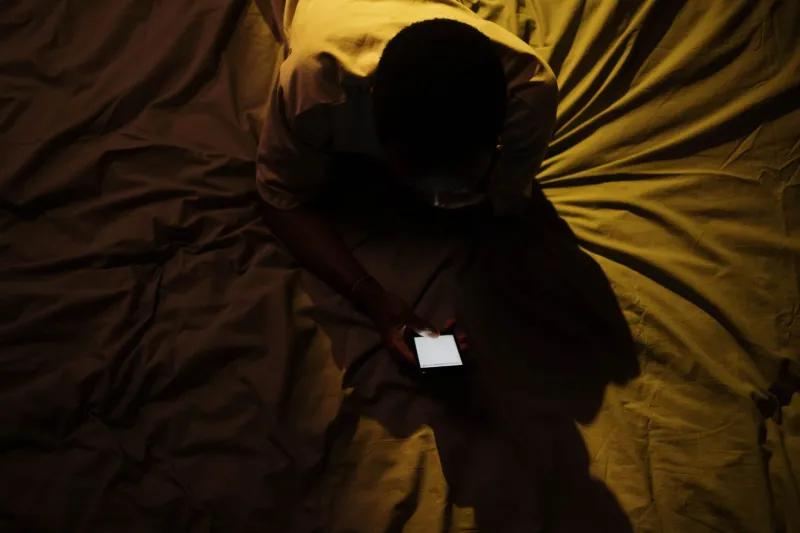
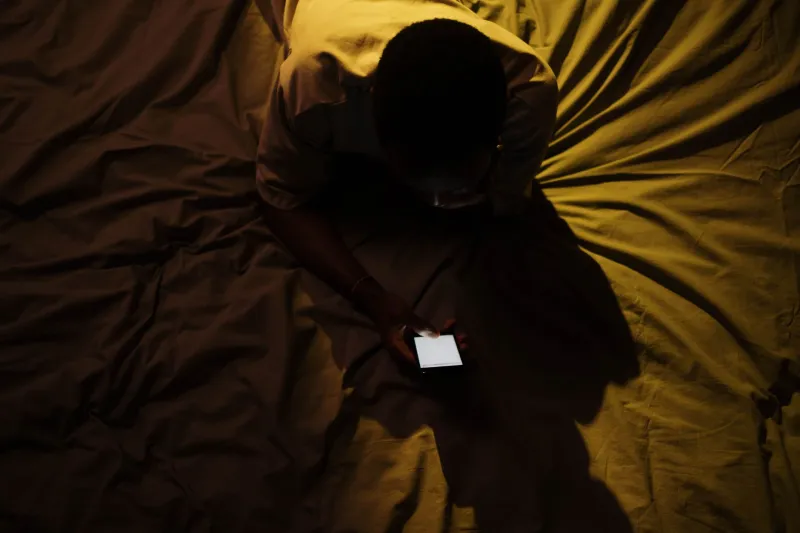
Let me tell you something that happened to a friend of mine — and by "a friend," I absolutely mean me. A few months after a breakup, I noticed that Netflix had quietly started surfacing a very specific kind of content. Not romcoms. Not action movies. It was serving me slow, melancholy dramas about people rebuilding their lives after loss. Then Spotify started autoplaying sad indie folk at 11pm. Then Instagram filled my Reels with breakup journaling content and apartment-decorating videos for "starting over."
I hadn't told any of these platforms I was heartbroken. I hadn't typed it, said it, or searched for it. But somehow, the machines already knew.
That moment — equal parts comforting and deeply unsettling — is what I want to talk about today.
The Algorithm Isn't Guessing. It's Calculating.
Here's the thing people get wrong about recommendation systems: they assume it's all about what you click. And sure, clicks matter. But the modern personalization engine is so much more invasive than that. It tracks how long you hover before deciding. It notices when you abandon something halfway through. It logs the time of day you're watching, whether you're bingeing or browsing, how often you return to the same genre in a single week.
Netflix has been transparent — or as transparent as a tech giant gets — about the fact that their algorithm processes hundreds of behavioral signals per user. Spotify's "Discover Weekly" doesn't just know your taste in music; over time, it starts to reflect your mood patterns. TikTok's For You Page is arguably the most sophisticated emotional profiler in consumer tech right now, capable of identifying a user's psychological state within minutes of a new session.
This is not science fiction. This is Tuesday.
And the reason it works so well is because our digital behavior is honest in a way our words often aren't. You might tell your therapist you're doing fine. But you won't lie to your search history at 2am.
When Personalization Starts to Feel Like Surveillance
There's a concept in tech ethics called the "creep factor" — that queasy sensation when a platform seems to know something it shouldn't. Most of us have felt it. You mention a product in conversation and suddenly it's in your ads. You watch one video about anxiety and your entire feed recalibrates.
What we're experiencing isn't magic or coincidence. It's the output of a surveillance infrastructure built at a scale most people genuinely can't conceptualize. In the US alone, data brokers collect and sell information from hundreds of sources — your location history, your purchase records, your browsing patterns, your app usage. This data gets layered into profiles that platforms then use to serve you content that keeps you engaged.
The goal was never to help you. The goal was always to keep you there.
And here's where it gets philosophically messy: the algorithm doesn't care about your wellbeing. It cares about your engagement. Those are not the same thing. In fact, they're often opposites. Platforms have repeatedly found that emotionally activating content — content that makes you anxious, sad, outraged, or envious — keeps people scrolling longer than content that makes them feel settled and satisfied. Your grief is literally more profitable than your joy.
The Intimacy Problem
So why does it still feel kind of... nice? When Spotify drops a playlist that perfectly mirrors your current emotional state, there's a warmth to it. A sense of being seen. That's not an accident — it's by design. These systems are engineered to produce the feeling of intimacy without the substance of it.
And that's the part that worries me most.
Genuine human intimacy — the kind you get from a real therapist, a close friend, a partner who's watched you fall apart and helped you put yourself back together — requires vulnerability, reciprocity, and risk. You have to actually tell someone what's going on. You have to trust them with information that could hurt you. That process is uncomfortable, but it's also how connection gets built.
Algorithmic intimacy requires none of that. It just observes. It doesn't ask questions. It doesn't push back. It doesn't tell you things you don't want to hear. It simply reflects your existing patterns back at you, wrapped in a UI that feels warm and personalized.
It's intimacy without accountability. And over time, I think that shapes us.
When a machine consistently anticipates your needs before you've articulated them, it subtly reduces your tolerance for the friction that comes with real relationships. Real people misread you. Real people need you to explain yourself. Real people have their own needs that sometimes conflict with yours. The algorithm never does any of that. It just gives you what you want, exactly when you want it.
That's not connection. That's a very sophisticated vending machine.
What We Lose When We Stop Being Legible to Each Other
I've been thinking a lot lately about what it means to be known by someone. Not profiled — known. There's a difference. Being profiled means your patterns have been catalogued and monetized. Being known means someone has sat with your contradictions, witnessed your changes, and chosen to stay curious about you anyway.
The algorithm can tell you're sad. It cannot care that you're sad.
And yet, for a lot of people — especially younger generations who grew up with these systems — the algorithmic version of being understood has started to substitute for the human one. Why go through the vulnerability of telling your friend you're struggling when your Spotify playlist already gets it? Why explain yourself when TikTok has already sent you seventeen videos that feel like they were made specifically for your situation?
This is the slow erosion I'm most concerned about. Not the surveillance itself — though that's legitimately worth being angry about — but the way algorithmic intimacy trains us to expect to be understood without effort. Without the discomfort of being honest. Without the risk of being misread.
So What Do We Actually Do With This?
I'm not going to tell you to delete your apps. I haven't, and I probably won't. But I do think there's something important in naming what's happening clearly.
Your algorithm is not your friend. It is not your therapist. It is not a neutral mirror. It is a profit-driven system that has gotten very, very good at mimicking the feeling of being understood — because that feeling keeps you engaged, and engagement is the product.
The next time your feed feels eerily accurate, try to resist the comfort of it. Use it as a prompt instead. Ask yourself: who in my actual life would I want to tell this to? And then, if you can, go tell them.
Because the machine knowing your patterns is not the same as a person knowing you. And in a world that's getting very good at selling us the simulation of connection, holding onto that distinction might be one of the most radical things we can do.