Performing Realness: The Exhausting New Standard of Being 'Authentically You'

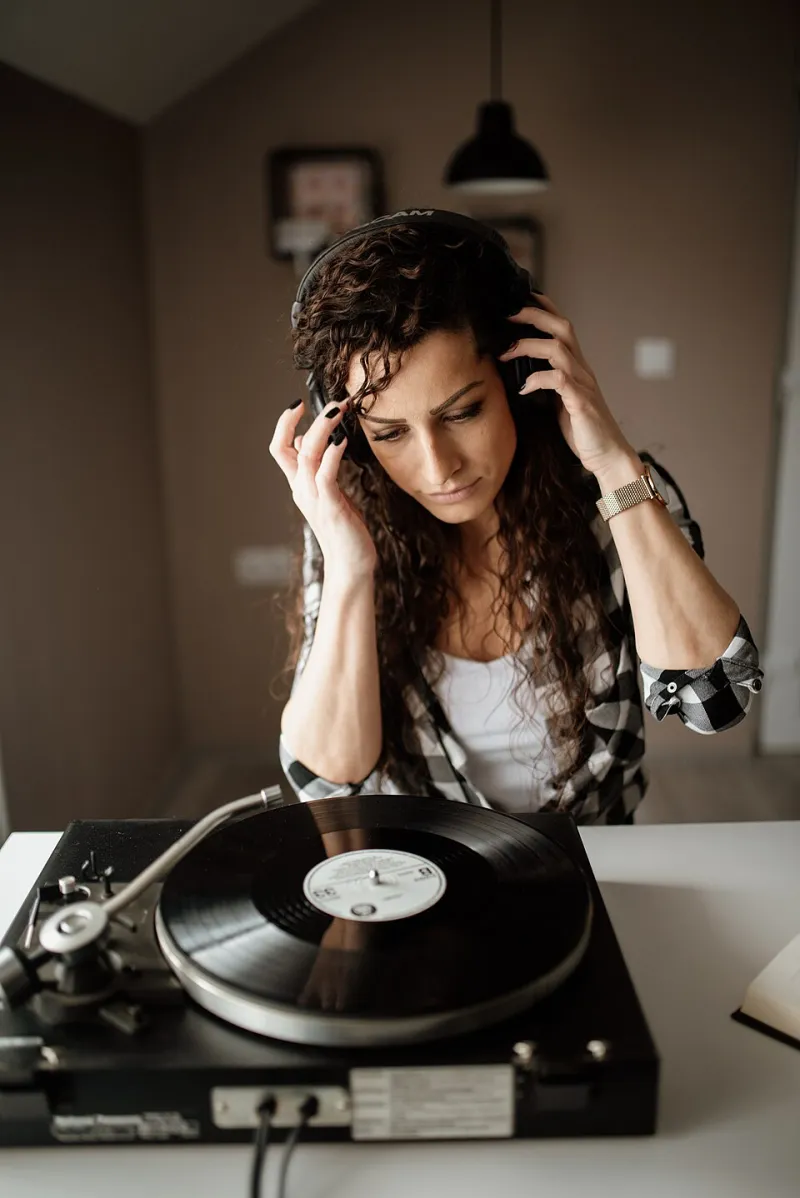
Photo: Ferdinand Reus, CC BY-SA 2.0, via Wikimedia Commons
I used to think the goal was to stop performing. Somewhere around 2017, the cultural memo went out: ditch the highlight reel, show your messy apartment, cry on camera, admit your flaws before someone else does. Authenticity was the antidote to the curated Instagram aesthetic that had made everyone feel terrible about themselves.
Except — and I cannot stress this enough — it did not actually make anyone feel less terrible. It just changed the costume.
Now instead of performing "I have it all together," we're performing "I'm beautifully, relatably falling apart." And if you don't think that's still a performance, I'd like to introduce you to the ring light sitting in the corner of every 'no-filter' TikTok.
The Authenticity Industrial Complex
Here's the wild thing: authenticity has become a brand strategy. Brand strategists — actual, paid professionals — now coach clients on how to "be real" in ways that convert followers into customers. That's not a contradiction to them. That's the job.
Jamila Torres, a personal branding consultant based in Austin who works with influencers and corporate executives alike, put it to me plainly: "Every client I work with wants to feel authentic, but they also want to be strategic. Those two things are not mutually exclusive. But what we've created is a culture where people feel like they have to perform spontaneity. The 'candid' photo takes forty-five minutes to get right."
This isn't cynicism — it's just the reality of how visibility works in 2024. When your livelihood, your community, or your sense of self-worth depends on how people receive you online, you start calibrating. You test which version of your truth lands best. You learn that vulnerability shared on a Tuesday afternoon gets more engagement than vulnerability shared on a Saturday. And slowly, without meaning to, you've gamified your own emotional life.
What Therapists Are Actually Seeing
Dr. Marcus Webb, a licensed therapist in Chicago who works primarily with millennials and Gen Z clients, says he's noticed a specific kind of anxiety that didn't have a name five years ago.
"I call it authenticity fatigue," he told me. "Clients come in exhausted from trying to figure out which version of themselves is the 'real' one — the one they post, the one they are with their family, the one they are alone. The pressure to have a consistent, genuine self that also happens to be likable and presentable is genuinely destabilizing."
What's interesting, he says, is that this isn't just a creator problem. Regular people — folks with a few hundred Instagram followers and no brand deals — are experiencing the same thing. "The audience doesn't have to be big for the performance anxiety to be real," he said. "Even performing for your college friends or your coworkers online creates this loop where you're constantly auditing yourself."
The Paradox Nobody Wants to Talk About
Here's the philosophical gut-punch at the center of all this: there is no such thing as a self that exists independently of how we present it. Psychologists have been saying this for decades. We are always, to some degree, performing — adjusting our language, our posture, our emotional expression based on context and audience.
The problem isn't that we perform. The problem is that we've convinced ourselves that performing is shameful, and that somewhere beneath all the performance is a pure, unmediated "real you" just waiting to be unlocked — if only you could find the right caption for it.
Kayla Reyes, a 28-year-old teacher in Phoenix, described the feeling to me like this: "I'll post something really vulnerable — like, genuinely from a hard place — and then immediately start checking to see how people respond. And then I feel gross about checking. And then I feel gross about feeling gross. It's layers."
That layering? That's the trap. The moment you start monitoring your authenticity, it stops being authentic. But you can't stop monitoring, because you're a human being living in a social world where other people's perceptions of you have real consequences.
So What Do We Actually Do With This?
I'm not here to tell you to log off forever, or that all online self-presentation is fake and bad. That's a tired take and also not true. Connection happens online. Real vulnerability happens online. People find community and healing and genuine relationships through digital spaces every single day.
But I do think we need to retire the idea that authenticity is a destination — some pure state you arrive at when you've stripped away enough artifice. Authenticity is more like a practice than a product. It's about the intention behind what you share, not the rawness of it.
Jamila Torres said something that stuck with me: "The most authentic people I work with aren't the ones who share everything. They're the ones who are honest about why they're sharing what they're sharing."
Maybe that's the actual move. Not performing rawness, but being honest about the performance itself. Acknowledging that you picked this angle, this lighting, this version of the story — and that's okay. That's human. You don't have to pretend you didn't.
Because here's the thing: the most exhausting part of the authenticity trap isn't the performing. It's the pretending you're not.